Poor Quality Sleep
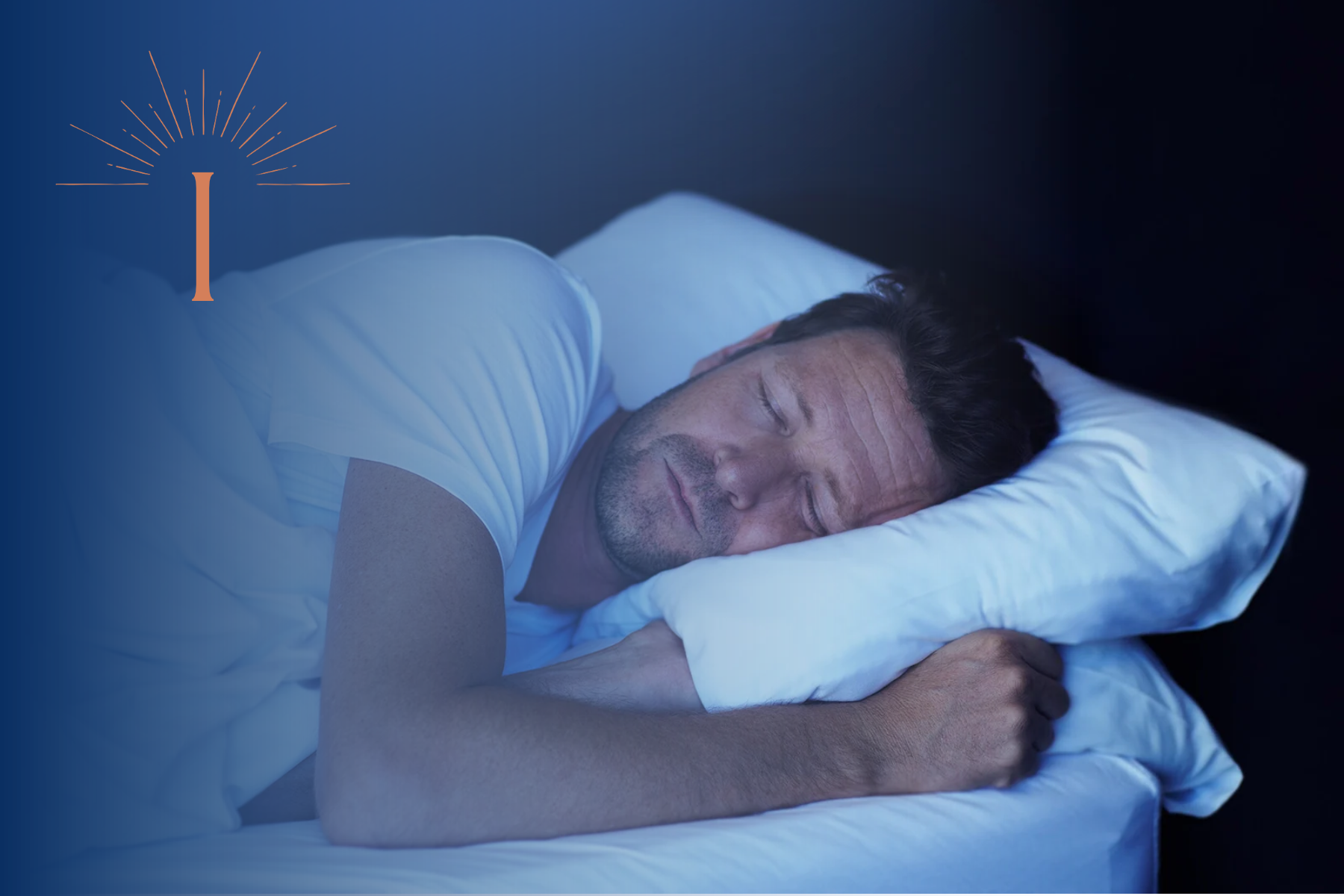
You sleep a full night and still wake up feeling like you barely rested.
More
Fatigue after an adequate night of sleep can indicate breathing habits and sleep cycles are interfering with the quality of your sleep.
The Foundation of Wellness
Your sleep problem might be a breathing problem.
Myofunctional therapy retrains the muscles of your tongue, lips and throat so your airway has better support, day and night. Ashley Babb works one-on-one with adults and children, alongside the care you already get from your doctor or dentist.
Tap a card to read more.
You sleep a full night and still wake up feeling like you barely rested.
Fatigue after an adequate night of sleep can indicate breathing habits and sleep cycles are interfering with the quality of your sleep.
You toss and turn, wake frequently, or move into several positions through the night.
Restless sleep can be connected to how you're breathing and entering deep, restorative sleep cycles.
You lie awake trying to fall asleep, or wake in the night and can't drift back off.
Inability for the brain and body to wind down when it's time to sleep can point to breathing and difficulty entering a "rest and relax" state. It is worth talking with your doctor to help rule out other causes.
Snoring is the sound of air squeezing past relaxed tissue in a narrowed airway.
Inadequate airflow during sleep affects your ability to fully rest and recharge during sleep.
Gasping, choking, gurgling or pauses in breathing can be signs of sleep apnea.
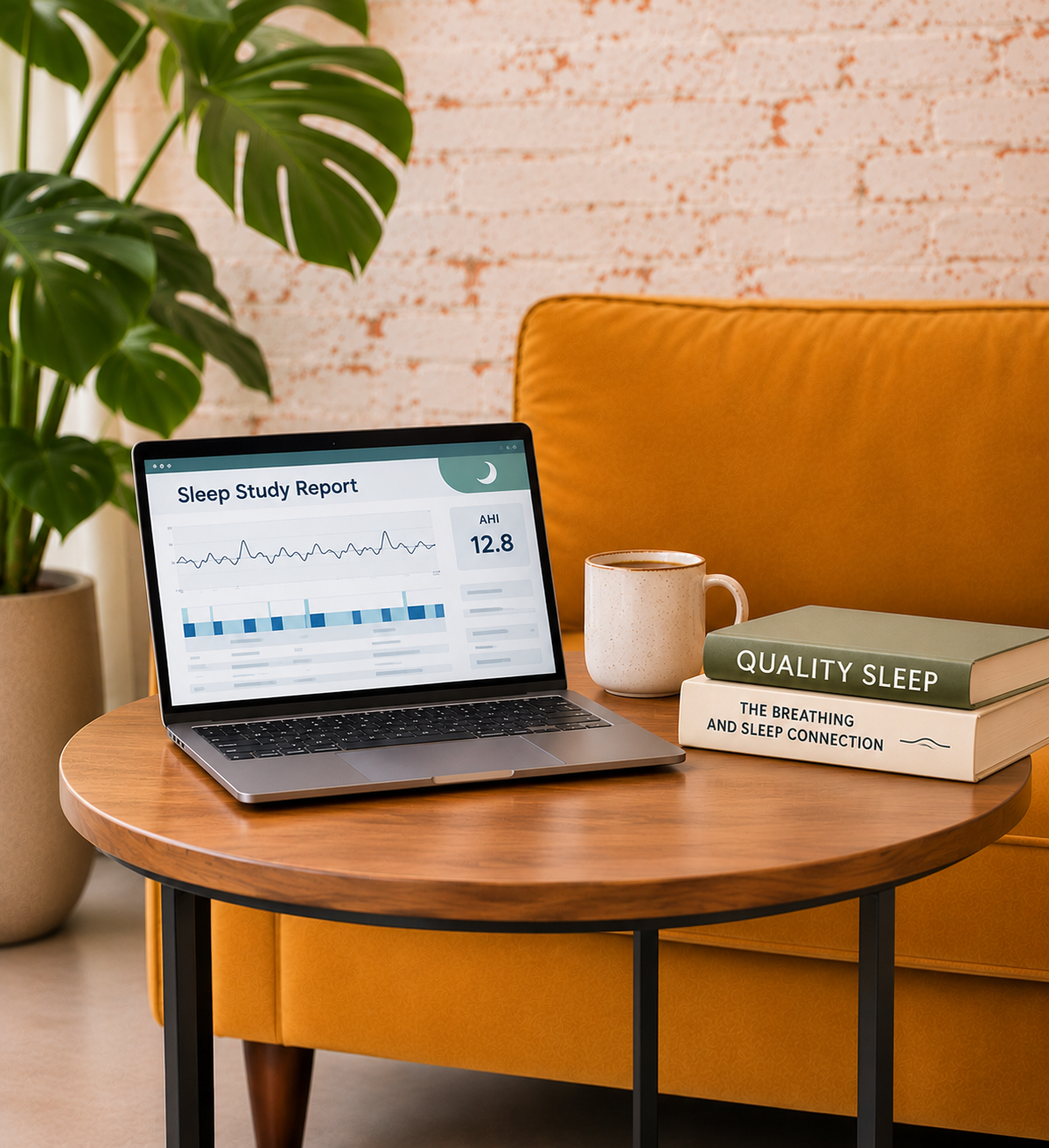
Sleep apnea is diagnosed by a physician through a sleep study. Myofunctional therapy can work alongside the care your physician recommends.
If your CPAP or MAD is not working or comfortable, you are not alone.
Therapy may help with the muscle and breathing habits involved in sleep. Please talk with your sleep physician or dentist before changing how you use your device.
Nasal Breathing
Healthy breathing at rest happens through the nose, with the lips closed and the tongue resting on the roof of the mouth. That tongue position helps hold the airway open from the inside. When the tongue rests low, it can fall back toward the throat as you sleep and narrow the airway.
Mouth Breathing
The body often responds by opening the mouth to breathe, and the cycle repeats night after night. Mouth breathing during sleep does not always come with snoring; often the only clues are a dry mouth, a headache or a sore jaw in the morning.
"Sleep-disordered breathing" describes a range of airflow problems during sleep. Snoring sits at one end; when the airway closes off completely for moments at a time, that is sleep apnea, which is diagnosed through a sleep study. Also included is UARS. Another airway restriction symptom can be grinding or clenching.
You may have tried these approaches already. Sometimes they work, sometimes they are partially helpful, and sometimes they are not for you. Therapy looks at something different: how the muscles themselves are working. This is a root-cause approach to sleep health.
A CPAP machine uses gentle air pressure to keep your airway open while you sleep.
When it is worn every night and the mask fits comfortably and is tolerable, it keeps air flowing all night.
If the mask is uncomfortable, sleep apnea is not improved, or apnea is worsening over time.
Mandibular advancement device helps pull the jaw and tongue forward and out of the airway space.
When it fits well and has been adjusted by your dentist, it can help keep the airway open at night.
When it's uncomfortable to wear or causes jaw discomfort due to the position it holds the mouth in.
An implanted device used for some people with sleep apnea.
It can help keep the airway open at night through mild electrical stimulation of the nerve that moves the tongue.
It requires surgery and is not right for everyone; a sleep physician and surgeon decide who is a candidate.
Surgery to remove enlarged tonsils or adenoids that crowd the airway, most often in children.
When enlarged tonsils or adenoids are narrowing the airway, removing them can open up space for breathing.
It makes room in the airway but doesn't change mouth breathing or tongue habits that may have developed or even encouraged it in the first place.
Side sleeping, wedge pillows or positional devices that keep you off your back.
For some people, snoring or breathing is worse on their back, and changing position can help.
It only helps while you stay in that position, and it doesn't change how the airway muscles work.
Changes to nutrition, activity and weight, often recommended alongside other sleep care.
For some people, weight changes can ease pressure on the airway during sleep.
Sleep and breathing concerns can happen at any weight, and weight changes don't retrain the muscles of the mouth and throat.
A steady bedtime, a cool dark room, supplements or a sleep-tracking app.
They set the stage for good sleep and can help you notice patterns.
They can't change how your tongue and throat muscles behave once you're asleep.
Tape holds the lips closed, and nasal strips help open the nostrils.
They can encourage nasal breathing for those who have a hard time with natural lip seal or have narrow nasal passages.
They don't retrain the airway muscle habits behind mouth breathing, and pose a risk for those with OSA.
Please talk with your sleep physician or dentist before changing how you use your devices, medications or supplements.
People often tell us they wake up more rested, snore less and breathe easier.
60 to 90 minutes in person at our Ithaca office. We look at your history, symptoms, structure and function to get a whole-picture view of what's going on with your breathing, sleep and oral muscle habits.
Sessions every 1 to 3 weeks, virtually or in person, to learn exercises tailored to your specific needs. Exercises are simple (and fun!) and progress through your program.
About 10 to 20 minutes a day: working on tone and coordination, ultimately building new habits around breathing and oral function patterns that become automatic.

Ashley works alongside sleep physicians, dentists, orthodontists, ENTs and body workers. If your assessment suggests another provider should be part of your care, we will suggest that or work with who you already see.
Breathing and sleep touch nearly every part of your health, so a team approach is ideal. At Ithaca Myofunctional Therapy, we focus on the upper airway and oral function, and we work alongside the providers who care for the rest of you.
You can schedule on your own, or your provider can fill out our digital referral form. A referral is not necessary.
A Cochrane review, Myofunctional therapy (oropharyngeal exercises) for obstructive sleep apnoea (review CD013449, 2020), found that in adults, compared with sham therapy, myofunctional therapy probably reduces daytime sleepiness and may improve sleep quality. The authors rate the certainty of the evidence as limited.
An earlier systematic review by Camacho and colleagues, Myofunctional Therapy to Treat Obstructive Sleep Apnea: A Systematic Review and Meta-analysis (Sleep, 2015), concluded that it could serve as an adjunct to other sleep apnea treatments.
That is why we work alongside your medical care, not in place of it.
Your assessment takes 60 to 90 minutes in our Ithaca office. Ashley reviews your health history, looks at how your mouth, tongue and face muscles are working, and takes measurements to build your plan.
What to send us:
The Pre-Assessment Guide walks you through what to notice before your appointment.
Please talk with your doctor if you, or someone who sleeps near you, notices loud snoring, gasping or pauses in breathing, or if you feel very tired during the day. Sleep apnea is diagnosed by a physician through a sleep study.
If you have trouble falling or staying asleep, your doctor can help rule out other causes. If you use a CPAP or MAD, please talk with your sleep physician or dentist before changing how you use it.
You don't need a doctor's referral or a sleep study before your first visit with us. Depending on your symptoms and what we find at your assessment, we may strongly recommend that you see your doctor or have a sleep study. It's the best way to get a clear picture of what's happening while you sleep.
Sleep apnea is diagnosed and managed by a physician. Myofunctional therapy does not replace that care, but it can work alongside it, or help when traditional methods to address it have failed. By strengthening and retraining the tongue and throat muscles that help hold your airway open, therapy may support the treatment your physician recommends.
No, you can schedule an assessment without one. If you have had a sleep study, feel free to send us the report. If Ashley notices signs that point to a sleep-related breathing problem, she may suggest you talk with your doctor about getting a study done.
A referral is not necessary. You can schedule on your own, or your provider can fill out our digital referral form.
Therapy is not a replacement for your CPAP or MAD (mandibular advancement device). It works on the muscles and breathing habits involved in sleep, and many people continue using their device while they do therapy. Some people seek out myofunctional therapy as an alternative approach when devices do not work for them. Please talk with your sleep physician or dentist before changing how you use your device.
It is different for everyone. It depends on your starting point, your goals and how consistently you practice at home. Ashley will talk with you about what to watch for as you go.
Yes. Your first assessment is in person at our Ithaca office. After that, therapy sessions can be in person or virtual.
Call us at (607) 602-2886
Hours: Monday–Thursday, 8:30 AM–4:00 PM, or appointments by request