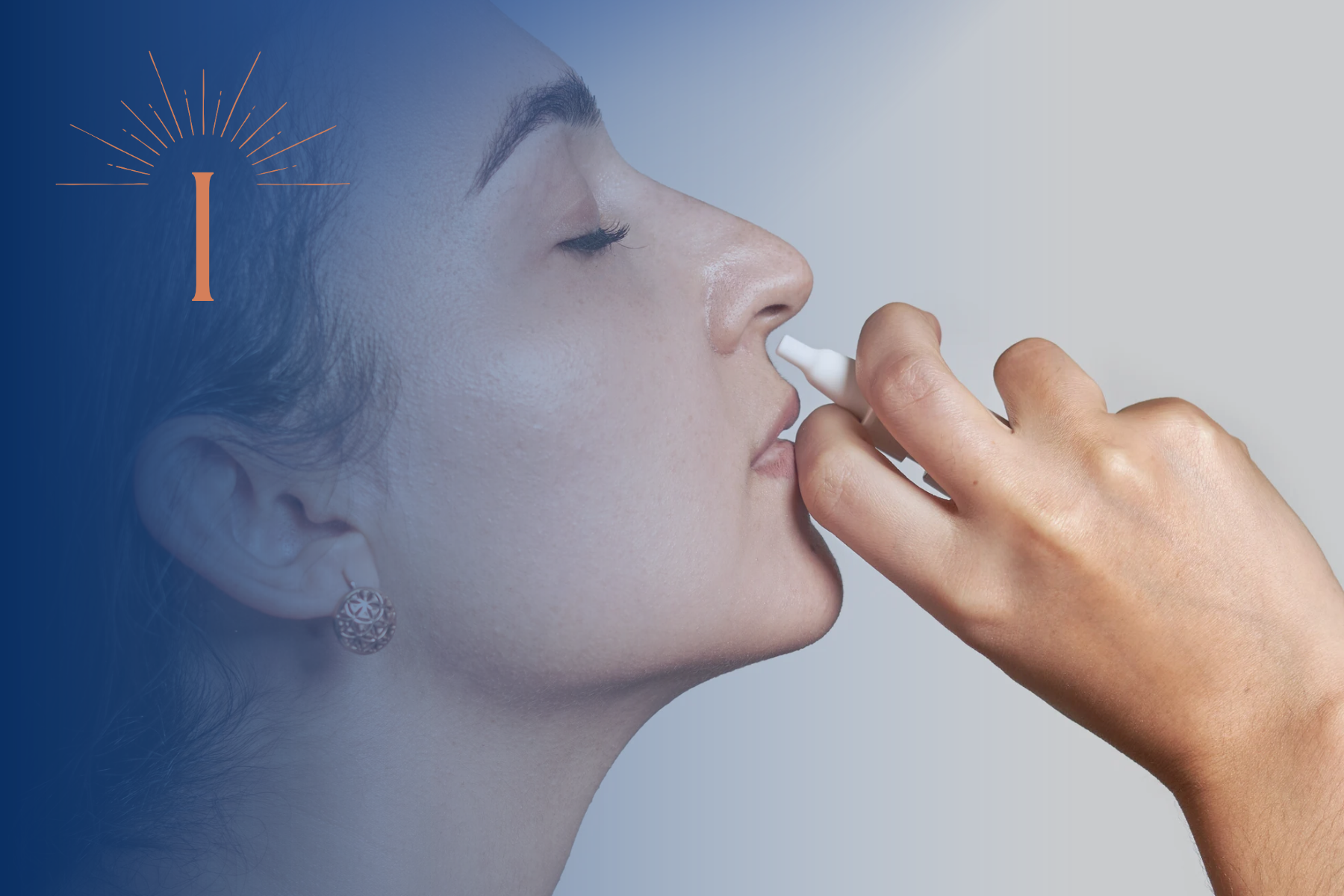
Lips Gently Closed
At rest, awake and asleep, the lips stay softly sealed.
Breath Retraining
Quiet, easy and through the nose, the way it's meant to be.
Healthy breathing is quiet, through the nose, with the lips closed and the tongue resting on the roof of the mouth. When those patterns are not established, or slip, myofunctional therapy helps adults and children retrain them.

Your nose filters out dust, allergens and particles, and it warms and moistens the air before it reaches your lungs. Breaths through the nose also tend to be deeper, slower and calmer. And your tongue can only rest comfortably on the roof of your mouth (where it should be) when you breathe through your nose.
The sinuses make nitric oxide, a gas that plays a role in how the body uses oxygen. Breathing through your nose carries it down into your lungs; breathing through your mouth largely bypasses it.
How your mouth should sit when you are not talking or eating.
At rest, awake and asleep, the lips stay softly sealed.
Air comes in through the nose, not the mouth.
The tongue rests lightly suctioned to the roof of the mouth, up and out of the throat.
FUN FACT:
In children, this position also helps guide the upper jaw to grow wide enough for the tongue, teeth and airway. It can be hard to hold if the nose is not clear, the tongue muscles are weak, or the tongue does not have the range of motion to get there.
A small space between the teeth called a “freeway space.”
Tongue up, lips closed, healthy breathing through the nose.
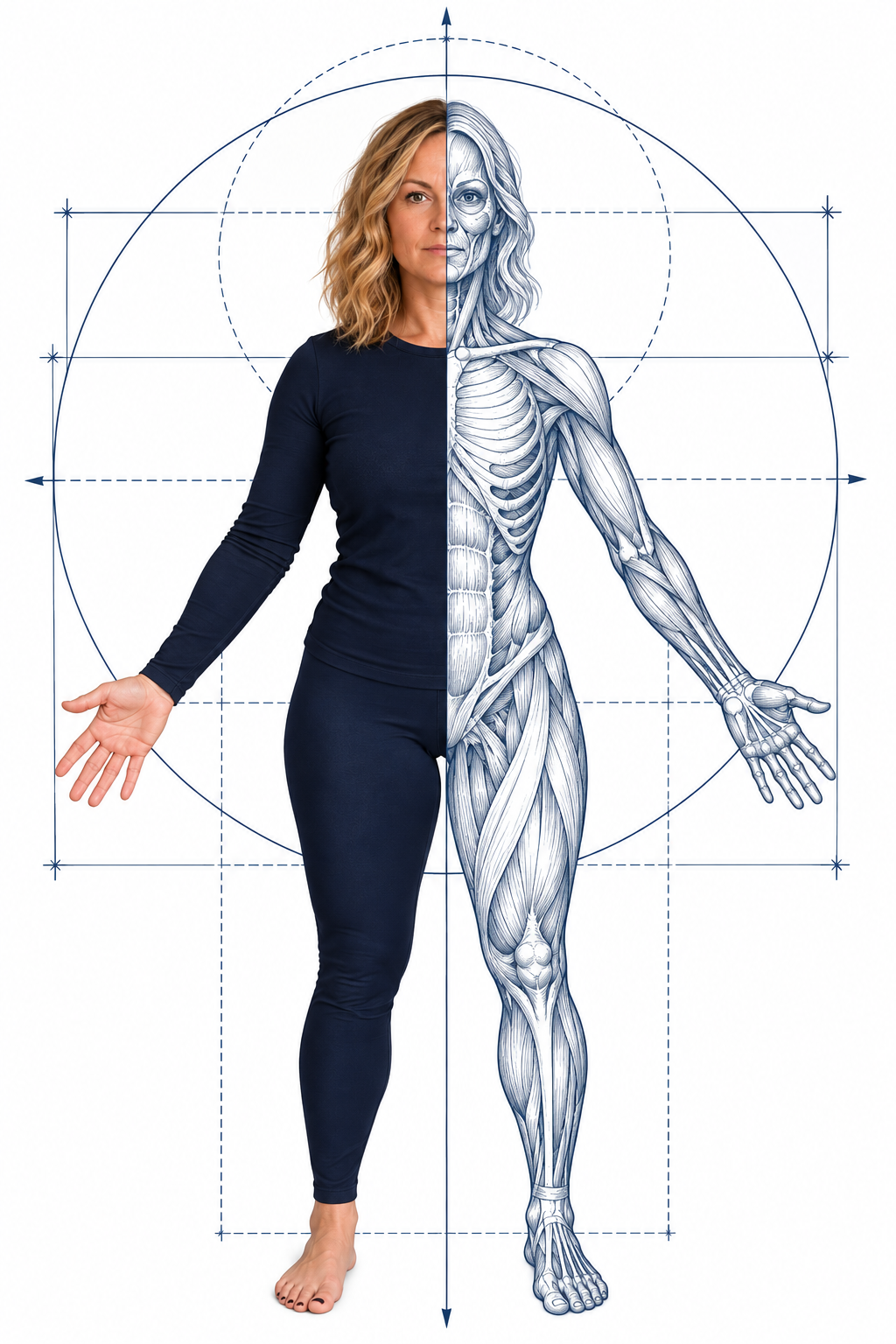
The way you breathe during the day tends to carry into the night. If your tongue rests low and your mouth stays open while you're awake, the same pattern often continues during sleep. That can show up as snoring, restless sleep or waking up tired.
60 to 90 minutes in person at our Ithaca office. We look at your history, symptoms, structure and function to get a whole-picture view of what's going on with your breathing, sleep and oral muscle habits.
Sessions every 1 to 3 weeks, virtually or in person, to learn exercises tailored to your specific needs. Exercises are simple (and fun!) and progress through your program.
About 10 to 20 minutes a day: working on tone and coordination, ultimately building new habits around breathing and oral function patterns that become automatic.
You can schedule on your own, or your provider can fill out our digital referral form. A referral is not necessary.
Your assessment takes 60 to 90 minutes in our Ithaca office. Ashley reviews your health history, looks at how your mouth, tongue and face muscles are working, and takes measurements to build your plan.
What to send us:
The Pre-Assessment Guide walks you through what to notice before your appointment.
Myo exercises and habit changes help you breathe through your nose with your lips closed and your tongue resting on the roof of your mouth, day and night.
We also focus on breathing dynamics, like head posture, breath pacing and deep breaths into the belly (diaphragmatic breathing).
Many people can. If your nose is clear but your muscles and habits have adapted to mouth breathing, therapy works on retraining those habits. If your nose is blocked, an ENT or allergist may need to be part of the plan.
At rest, the tongue should be lightly suctioned to the roof of the mouth, with the lips sealed and a slight space between the teeth. Most people have never checked where their tongue rests, so it is a good thing to notice before your assessment.
Yes. We see children 4 and up. For children under 4, please contact us first. You can read more on our Kids & Families page.
Kids with severe allergies, chronic congestion that prevents them from ever being able to nasal breathe, and asthma will need to see a medical doctor or specialist. We can help direct you if those issues come up at the initial assessment.
Call us at (607) 602-2886
Hours: Monday–Thursday, 8:30 AM–4:00 PM, or appointments by request