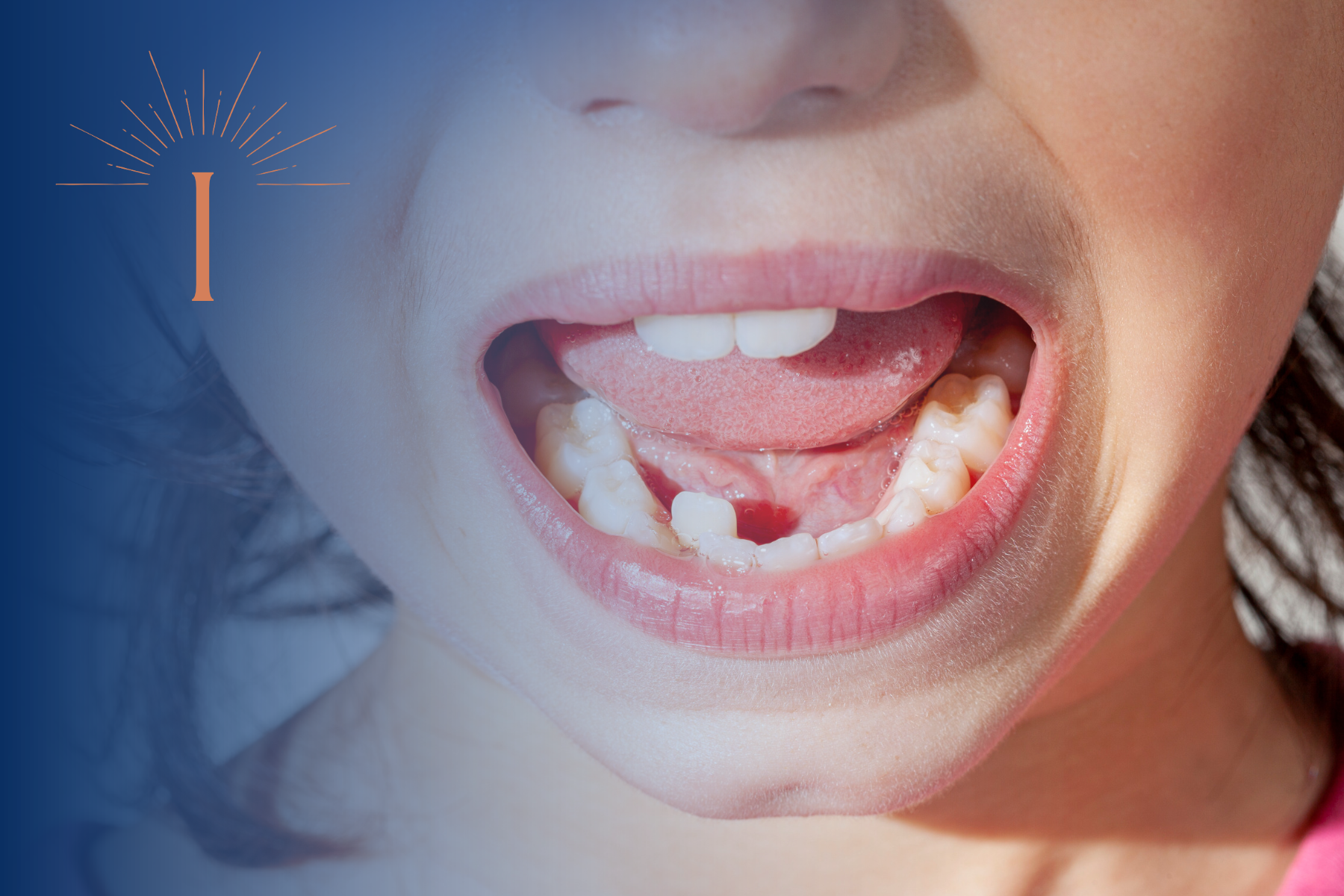
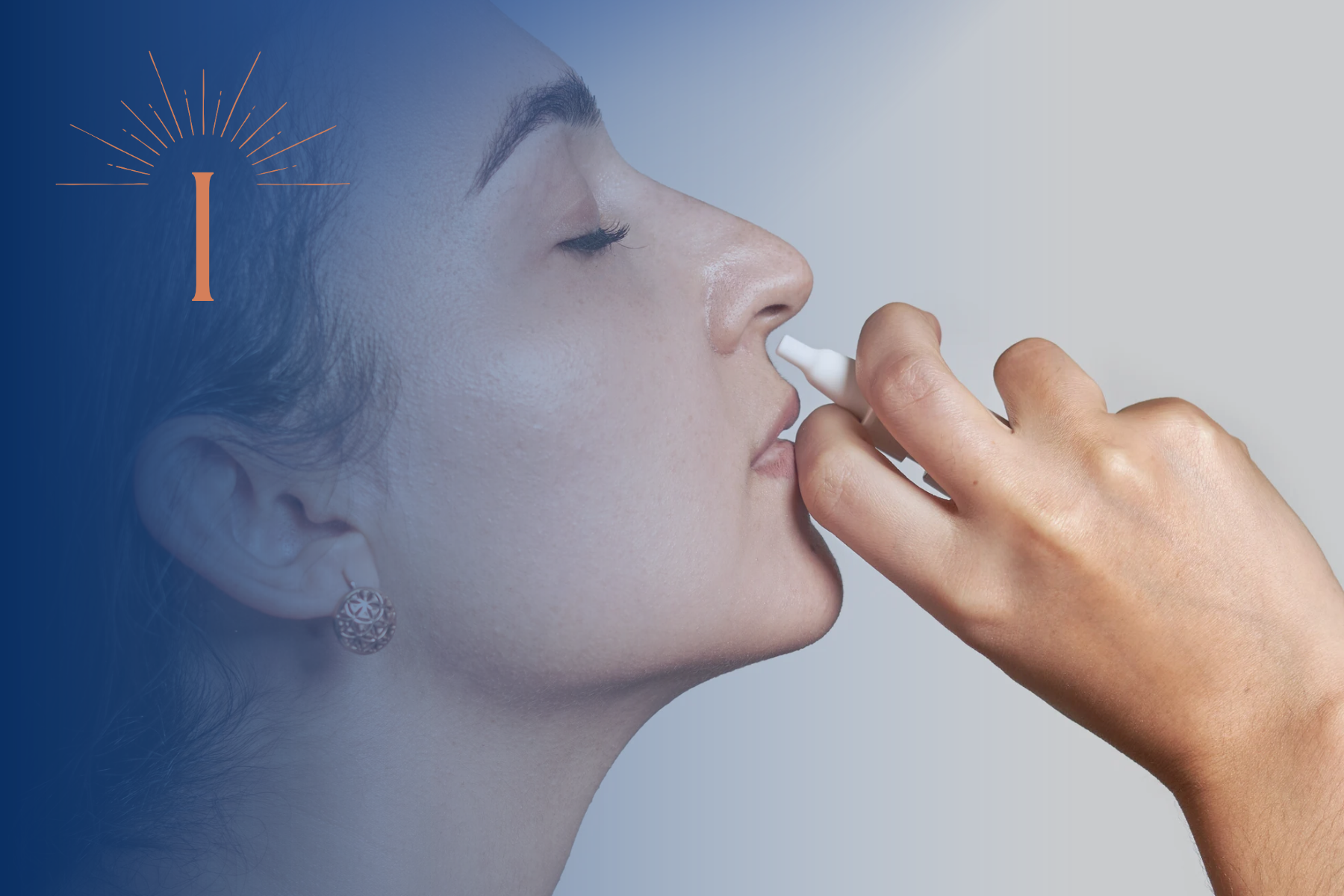
Dry Mouth on Waking
Waking up with a dry mouth or a sore throat.
Oral Habits
Your nose is built for breathing. Let's help it do its job.
Breathing through your mouth instead of your nose, especially at night, can leave you with a dry mouth, poorer sleep and less energy. Myofunctional therapy helps build the habit and muscle support for nasal breathing, with the lips closed and the tongue resting on the roof of the mouth.
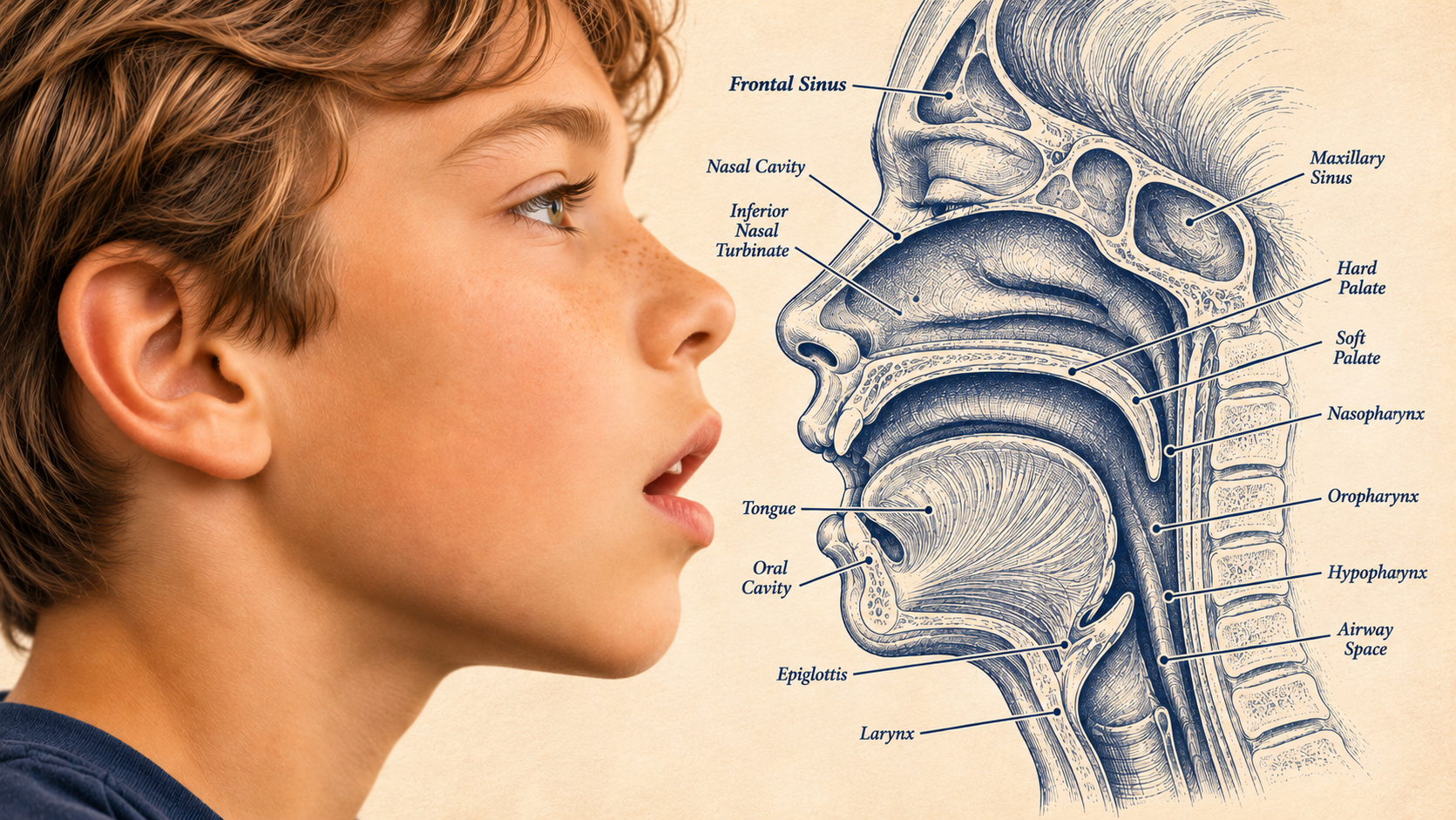
Mouth breathing is often so habitual that people don't notice it.
Waking up with a dry mouth or a sore throat.
Lips that part when you're relaxed, focused or asleep.
Feeling like you can't get a full breath through your nose.
If your nose is blocked, an ENT or allergist may need to be part of the plan.
Snoring, or waking up tired after a full night.
A mouth that stays open while watching TV, reading or sleeping.
Snoring, restless sleep, thumb sucking or crowded teeth can also show up.
Can you breathe through your nose, without breaking lip seal, for three minutes?
If that feels hard, it is worth mentioning at your assessment.
Mouth breathing skips the filtering, warming and moistening your nose does, and a dry mouth is not healthy for the teeth and gums. Mouth breathing means the tongue is resting low, which is not its proper position. At night, a low tongue can fall back toward the throat and narrow the airway.
In growing children, the tongue resting on the roof of the mouth helps guide the upper jaw to grow shallow and wide. When the mouth stays open, the palate may grow narrower and higher, leaving less room for the teeth and tongue and a narrower upper airway.
Lip seal, a tongue that rests on the roof of the mouth, and a healthy swallow, so nasal breathing becomes automatic. Nasal hygiene, like daily saline rinses, is often part of the plan.
Therapy cannot open a nose that is physically blocked. Allergies, a deviated septum or enlarged tonsils or adenoids need a medical evaluation, and therapy works alongside that care.
Mouth breathing is common, but it isn't normal, or healthy.
60 to 90 minutes in person at our Ithaca office. We look at your history, symptoms, structure and function to get a whole-picture view of what's going on with your breathing, sleep and oral muscle habits.
Sessions every 1 to 3 weeks, virtually or in person, to learn exercises tailored to your specific needs. Exercises are simple (and fun!) and progress through your program.
About 10 to 20 minutes a day: working on tone and coordination, ultimately building new habits around breathing and oral function patterns that become automatic.

Ashley works alongside ENTs, allergists, dentists, orthodontists and pediatricians. If your assessment suggests another provider should be part of your care, we will suggest that or work with who you already see.
Mouth breathing often has more than one cause, like a blocked nose, allergies, enlarged tonsils or adenoids, or habits. At Ithaca Myofunctional Therapy, we retrain nasal breathing, lip seal and tongue posture, and we work alongside the providers who care for the nose, airway and teeth.
You can schedule on your own, or your provider can fill out our digital referral form. A referral is not necessary.
Please see your doctor, an ENT or an allergist if you or your child:
Your assessment takes 60 to 90 minutes in our Ithaca office. Ashley reviews your health history, looks at how your mouth, tongue and face muscles are working, and takes measurements to build your plan.
What to send us:
The Pre-Assessment Guide walks you through what to notice before your appointment.
Absolutely. Breathing through the mouth dries out the mouth, skips the filtering and warming your nose does, and often goes along with a low tongue position. In children, long-term mouth breathing may affect how the face, jaws and airway develop.
Yes, many adults can. Your muscles and habits have adapted over years, so it takes practice, but the goal of therapy is for nasal breathing to become your default.
Then the first step is finding out why. An ENT or allergist can check for things like allergies, a deviated septum or enlarged tonsils or adenoids. Therapy works best alongside that care.
When a child breathes through the mouth, the tongue usually rests low, and that can affect how the upper jaw and airway grow. See our Kids & Families page.
It is not right for everyone. Please ask your doctor before taping your mouth at night. Mouth tape may change airflow for some people, but it does not retrain the muscles involved.
It is especially not recommended for children 5 and under, anyone with sleep apnea, or if you are congested.
Call us at (607) 602-2886
Hours: Monday–Thursday, 8:30 AM–4:00 PM, or appointments by request