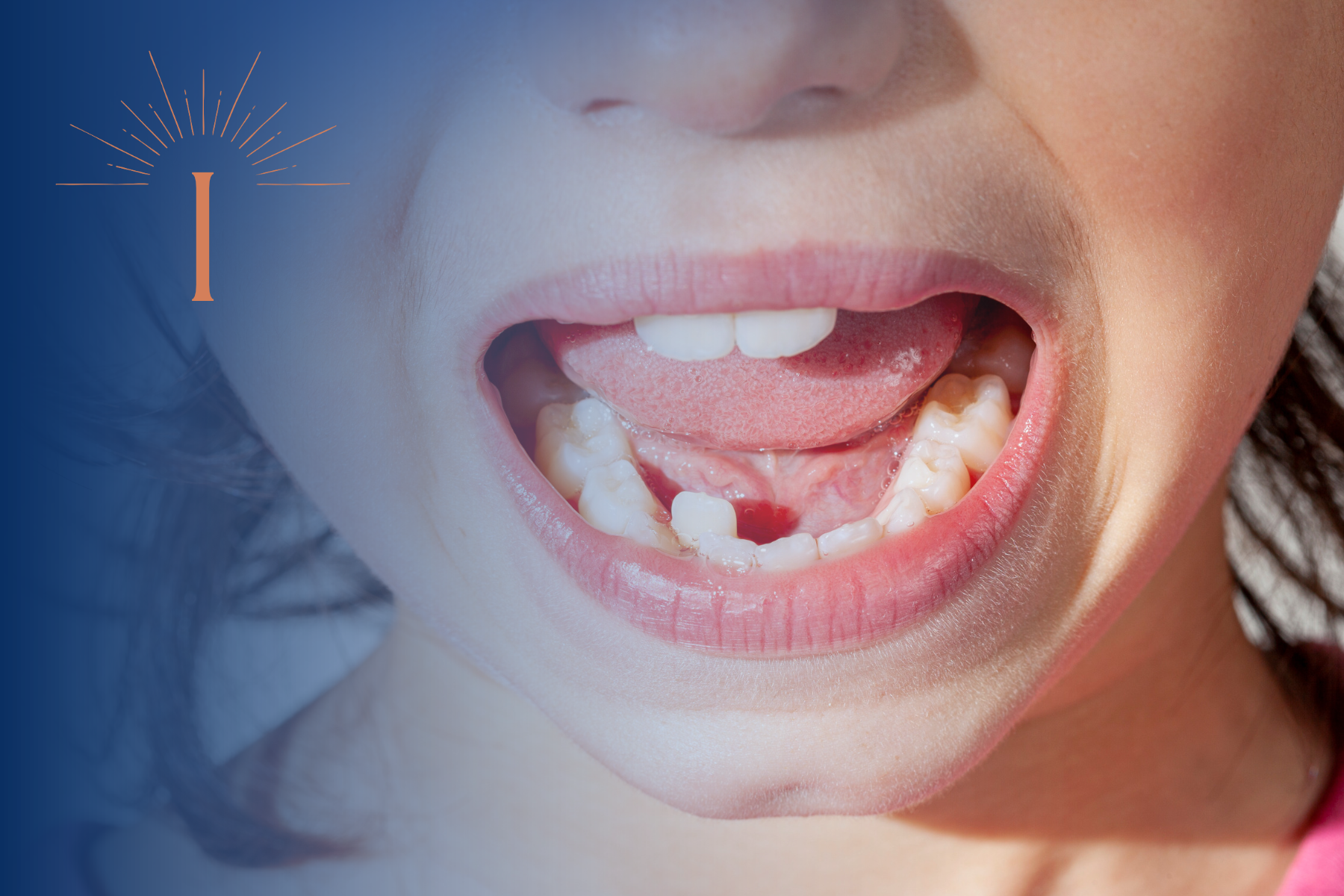
Habit Elimination
Helps your child stop oral habits like thumb sucking, pacifier use, nail biting and more. These habits may affect jaw growth, dental health, sleep and breathing.
Myofunctional Therapy · Ithaca, NY
Healthy breathing habits start early.
Ashley Babb works one-on-one with children and their parents to build healthy foundational habits for breathing, chewing, swallowing and tongue position, one small step at a time. For children under 4, please contact us first.

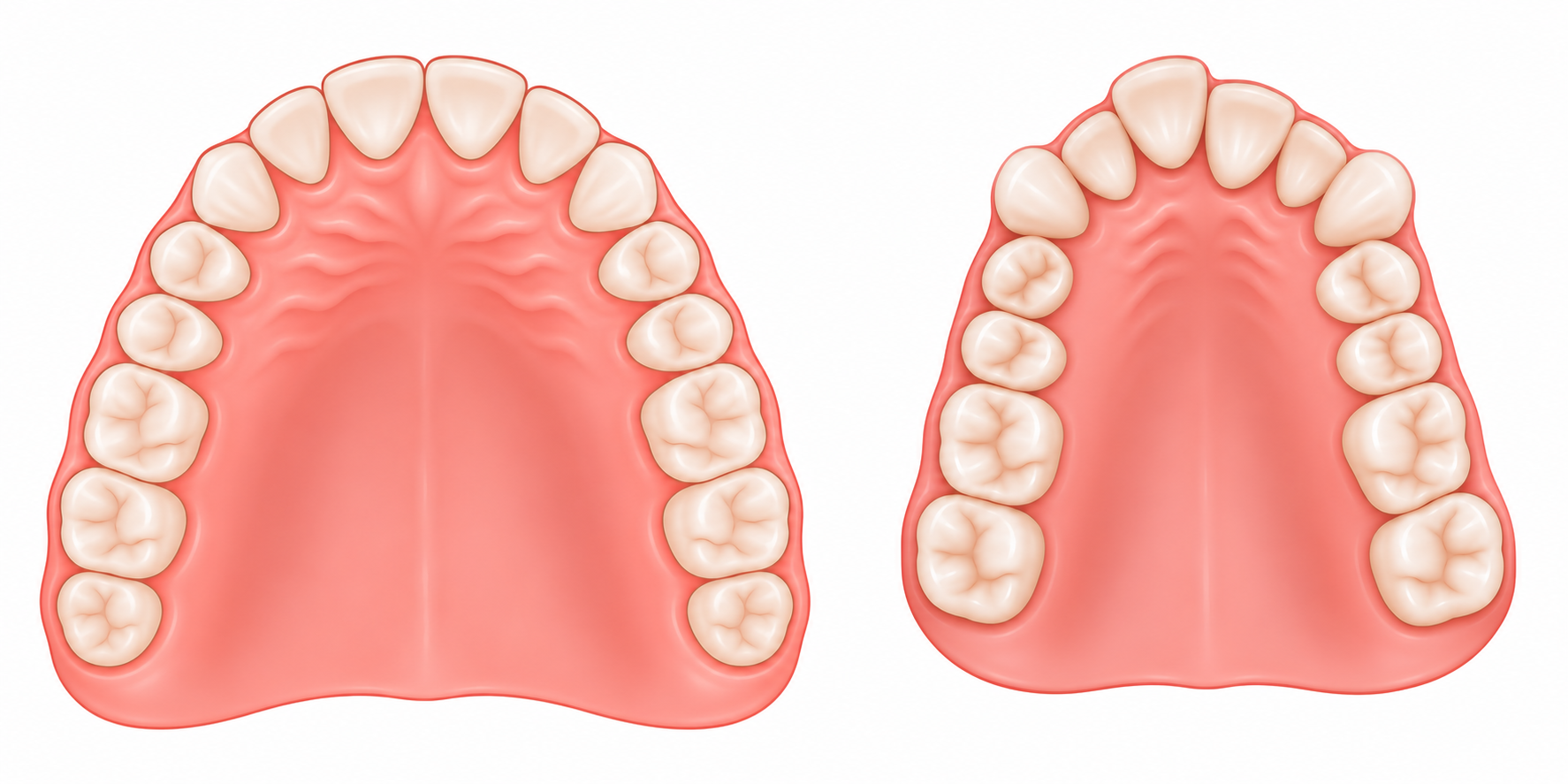
When a child's tongue rests on the roof of the mouth, it helps guide the upper jaw to grow wide. That makes room for the tongue, the teeth and the airway. Mouth breathing and habits like thumb sucking can get in the way.
Helps your child stop oral habits like thumb sucking, pacifier use, nail biting and more. These habits may affect jaw growth, dental health, sleep and breathing.
Designed for younger kids to address low tongue posture and breathing habits. This aims to guide healthy oral and upper airway development and function. A good fit when a full program is not reasonable at their age.
Prepares for and supports recovery from a tongue-tie or lip-tie release. Exercises improve mobility and support healing and healthy function. Ashley provides the therapy; the release itself is done by another provider.
The earlier healthy habits are in place, the better.
60 to 90 minutes in person at our Ithaca office, with a parent there too. We look at your child's history, symptoms, structure and function to get a whole-picture view of what's going on with their breathing, sleep and oral muscle habits.
Sessions every 1 to 3 weeks, virtually or in person, to learn exercises tailored to your specific needs. Exercises are simple (and fun!) and progress through your program.
About 10 to 20 minutes a day, with a parent's help: working on tone and coordination, ultimately building new habits around breathing and oral function patterns that become automatic.
Ashley reviews your child's health history and symptoms, takes photos and measurements, and watches how your child breathes, chews and swallows, usually with a small snack and a cup of water. If your child has food allergies or aversions, please bring a crunchy snack they can eat, like crackers or pretzels. We then discuss findings and recommendations for therapy or referrals.
We make therapy engaging with fun exercises, activities and sticker charts. How often we meet depends on the program and your child's needs. We meet each child where they are, so they can make the best possible progress.
You can schedule on your own, or your provider can fill out our digital referral form. A referral is not necessary.
Many of the signs linked with attention and behavior concerns, like trouble focusing, irritability and restlessness, can also be signs of poor sleep. If your child is being evaluated for attention or behavior concerns, it can be worth looking at how they sleep and breathe too, especially when diagnosis and medication are on the table. A myofunctional assessment is one piece of that, alongside the care your child's doctor provides.
We see children 4 and up. For children under 4, please contact us first so we can talk about what makes sense for your family.
For younger children, we often start with Mini Myo, a limited program that builds foundational habits around breathing and oral function. Around ages 6 to 7, depending on the child, may be a good time to start a full program.
Your assessment takes 60 to 90 minutes in our Ithaca office. Ashley reviews your health history, looks at how your mouth, tongue and face muscles are working, and takes measurements to build your plan.
What to send us:
The Pre-Assessment Guide walks you through what to notice before your appointment.
We see children 4 and up. For children under 4, please contact us first so we can talk about what makes sense for your family.
Yes. Home practice is about 10 to 20 minutes a day, with a parent's help. We keep the exercises simple and doable and work with your schedule and what’s reasonable for your family.
Yes. Our Habit Elimination program helps children stop oral habits like thumb sucking, pacifier use and nail biting. We use proven techniques, positive reinforcement and daily check-ins to help your child let go of the habit for good. Read more on our Thumb Sucking & Oral Habits page.
That official decision is made with the provider who would do the release, although many of them rely on the assessment done here at our practice to make that decision. Ashley can assess how your child's tongue moves and rests, and provide therapy before and after a release. Read more on our Tongue-Tie page.
Yes, and we love working with families. We recommend booking no more than two assessments back to back. Each assessment takes up to 90 minutes, sometimes more when there is a lot to cover, and that is a long time for family members to wait for each other.
The first visit also sets the tone for the therapeutic relationship. We want it to be fun and educational, and that is easier when no one is tired of waiting their turn.
Sometimes, yes. When family members have similar enough therapy needs, Ashley may be able to see more than one patient in the same therapy session. Whether that works depends on the program each person needs, the timing of care that may be needed from other providers that goes along with therapy, and how many people would be seen together.
We offer a discount when multiple family members are seen at the same time.
Every initial comprehensive assessment is done individually and cannot be conducted on more than one person at a time.
Call us at (607) 602-2886
Hours: Monday–Thursday, 8:30 AM–4:00 PM, or appointments by request